What Does Kawaii Really Mean? Understanding the Culture Behind Cute
Kawaii is often translated simply as “cute,” but the meaning runs much deeper than that. It is not just about playful characters or pastel colors. It is a feeling. A softness. A quiet kind of joy that makes a space feel gentler and more personal. In a fast and overstimulating world, kawaii offers something calming and emotionally warm.
At LoveKawaii, we see kawaii not as a trend but as a lifestyle language. It shows up in small details, rounded shapes, comforting textures, and objects that make everyday routines feel softer. To understand kawaii fully is to understand why so many people are drawn to it. It is about comfort, identity, and the simple pleasure of surrounding yourself with things that feel kind.
1. The Origins of Kawaii in Japanese Culture

The word kawaii has roots in Japanese culture that stretch back decades. It originally described something endearing or lovable, often with a sense of vulnerability. In postwar Japan, kawaii became closely tied to youth expression, particularly through handwriting styles, fashion, and illustrated characters that felt playful and soft. What began as a stylistic movement slowly evolved into a cultural language.
By the 1970s and 80s, kawaii was more than handwriting or accessories. It became a visual identity that embraced rounded shapes, gentle expressions, and approachable design. Characters were intentionally small, wide-eyed, and emotionally expressive. This was not accidental. It was a deliberate shift toward warmth and softness in visual culture.
Importantly, kawaii never meant childish in a dismissive way. It carried nuance. It reflected tenderness, empathy, and emotional openness. In Japan, it became a way to balance intensity and pressure with lightness. That balance is part of why kawaii continues to resonate globally today. It is rooted in care, not just decoration.
2. Kawaii Is More Than “Cute”

When people first encounter kawaii, they often reduce it to aesthetic sweetness. But true kawaii is not loud or exaggerated. It is gentle. It invites affection without demanding attention. There is a quiet humility to it.
Kawaii design relies on soft curves rather than sharp angles. Expressions are calm rather than dramatic. Colors are often soothing rather than overpowering. Even when playful, the tone remains emotionally warm. It is this emotional layer that separates kawaii from novelty.
This is why kawaii works so well in everyday spaces. It does not overwhelm. Instead, it adds personality in a way that feels approachable. A plush companion on a bed or a soft character resting on a shelf is not there to shout. It simply exists, offering a sense of familiarity and comfort.
Understanding this difference matters. Kawaii is not about cluttering a space with random “cute” items. It is about choosing objects that feel kind, comforting, and thoughtfully expressive. That intention is what transforms something from decorative to meaningful.
3. The Psychology of Why We’re Drawn to Kawaii

There is a reason kawaii feels soothing. Psychologically, humans are wired to respond positively to rounded shapes and gentle facial features. They signal safety. Softness communicates approachability. These visual cues activate nurturing instincts and feelings of calm.
In modern life, we are surrounded by sharp lines, screens, notifications, and constant information. Kawaii offers contrast. It introduces warmth into environments that can otherwise feel functional or impersonal. A soft character or plush texture interrupts that intensity with something slower and quieter.
There is also an element of nostalgia. Many people associate cute objects with childhood comfort. That memory of safety lingers. When someone places a plush figure on their desk or chooses a softly patterned rug, they are often reaching for that emotional familiarity.
Kawaii also allows for gentle self-expression. It signals that softness is welcome. That vulnerability is not weakness. It creates a personal environment that feels emotionally supportive. This is not accidental decoration. It is intentional emotional design.
4. Kawaii in Everyday Spaces: Desks, Bedrooms & Corners of Calm

Kawaii lives most naturally in the spaces we return to every day. Bedrooms, reading corners, study desks, and shelves become softer when they hold objects that feel warm and expressive. A plush companion on a nightstand or tucked into a bed does more than decorate. It subtly changes the atmosphere.
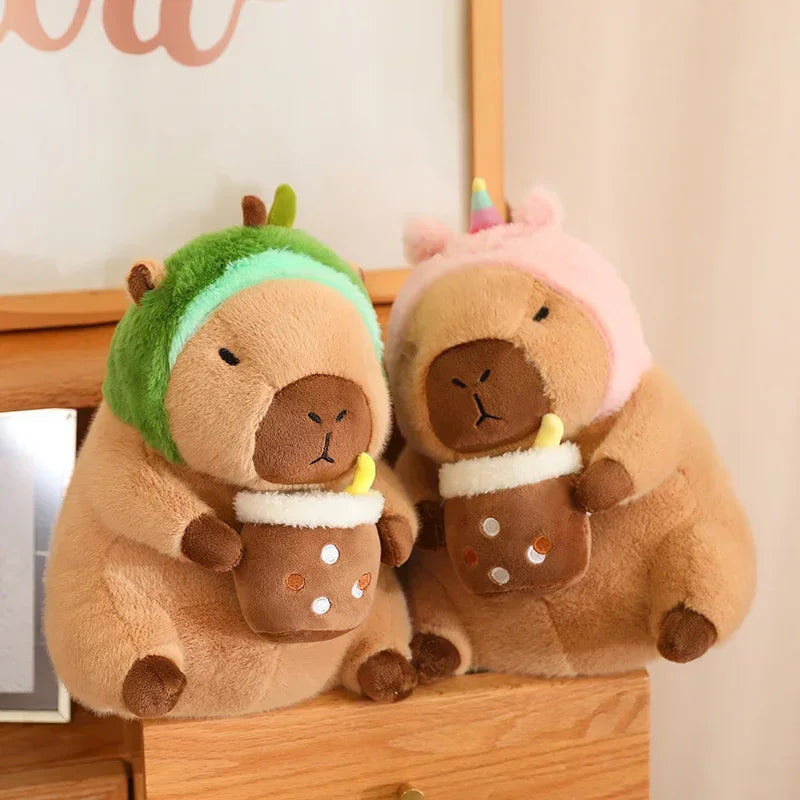
Soft characters are often the first way people introduce kawaii into their environment. Their rounded shapes and calm expressions feel grounding. They add personality without overwhelming the room. A thoughtfully chosen piece from our Animals Plushies collection can act as an anchor in a space, bringing a sense of quiet comfort.
These objects often become part of daily rituals. They sit nearby during late-night study sessions or early morning routines. Over time, they feel familiar. That familiarity creates emotional texture in a room.
Kawaii in everyday spaces is not about filling every corner. It is about choosing one or two pieces that feel intentional. When placed thoughtfully, they transform functional rooms into spaces that feel lived in, safe, and distinctly personal.
5. Kawaii as a Soft Home Aesthetic

Beyond characters, kawaii can shape an entire room’s mood. Soft textiles, rounded patterns, and gentle color palettes create cohesion. Cushions and layered textures introduce warmth without heaviness. The goal is subtle harmony rather than visual overload.
Textiles are especially powerful. A carefully chosen piece from our Cushions & Pillows collection can shift the tone of a bedroom or lounge instantly. Soft fabrics invite relaxation. Rounded forms keep the atmosphere playful but calm. The effect is not dramatic. It is quietly transformative.
This approach to kawaii is about balance. A room does not need to be entirely themed. Instead, a few gentle accents can soften sharper furniture lines or neutral walls. The aesthetic works best when it feels breathable.
Kawaii home styling prioritizes comfort first. Visual charm follows naturally. When softness leads the design, the result feels cohesive rather than cluttered. That is where kawaii becomes lifestyle, not decoration.
6. Functional Kawaii: Bringing Softness Into Daily Rituals

Kawaii is not limited to decorative pieces. It integrates seamlessly into everyday routines. Nighttime rituals, study sessions, and quiet evenings can all feel gentler when softened by thoughtful design.
Lighting plays a significant role in this. Harsh overhead lights can make a space feel clinical. In contrast, a subtle glow from our Night Lights collection introduces warmth and calm. Soft lighting paired with rounded silhouettes reinforces the comforting essence of kawaii.
Functional kawaii does not sacrifice practicality. Instead, it blends utility with emotional warmth. A bedside lamp shaped with gentle curves or a softly glowing figure can create a sense of ritual around winding down. That ritual builds consistency and comfort.
These pieces become part of daily rhythms. They are not simply aesthetic choices. They shape how a space feels at different times of day. When functionality and softness meet, kawaii becomes seamlessly woven into everyday life.
7. Kawaii as Identity & Self-Expression

Kawaii also operates as a form of self-expression. It communicates personality quietly but clearly. Choosing soft, rounded designs signals an appreciation for warmth and playfulness. It allows people to embrace gentleness in environments that often prioritize minimalism or severity.
Accessories, small décor, and personal objects can act as subtle markers of identity. A carefully selected plush or decorative piece reflects mood and preference. It is a way of saying that softness belongs here.
Importantly, kawaii is not restricted by age. It evolves with the person. For some, it is bold and playful. For others, it is understated and minimal. Both interpretations are valid. The core remains the same: warmth, approachability, and emotional texture.
When curated intentionally, kawaii becomes a quiet reflection of who you are. It enhances a space without overpowering it. That balance is what gives it longevity.
8. A Softer Way to Live With Kawaii

Understanding kawaii means recognizing that it is not about excess. It is about emotional tone. A single thoughtfully chosen object can introduce calm and personality into a room. The key is intentional curation.
At LoveKawaii, we focus on pieces that feel warm rather than novelty-driven. Our Customer Favorites collection reflects items people return to repeatedly. They are chosen not for trend value, but for how they make a space feel.
Kawaii works best when it aligns with your lifestyle. A plush companion beside your bed, a soft cushion layered into a reading corner, or a gentle light glowing in the evening can shift the atmosphere subtly.
Rather than filling a room, consider how one or two pieces might soften it. Kawaii is most powerful when it feels personal and considered. It invites comfort, encourages warmth, and reminds us that gentleness belongs in everyday life.
Outro
Kawaii is often misunderstood as surface-level sweetness. In reality, it is rooted in softness, empathy, and intentional design. It is a way of shaping spaces that feel comforting rather than overwhelming. When chosen thoughtfully, kawaii pieces do more than decorate. They create atmosphere.
Whether you begin with a plush character, a textured cushion, or a soft evening light, the goal remains the same. Surround yourself with objects that feel kind. That is where kawaii truly lives.